


By Mehmet Enes Beşer While the drive towards carbon neutrality is gathering pace around the world, the ASEAN community stands at a unique intersection of development and climate stability. The traditional goal of achieving carbon neutrality has been considered the domain of industrialized and wealthy countries. However, today, more and more middle income and developing nations view it as an ...
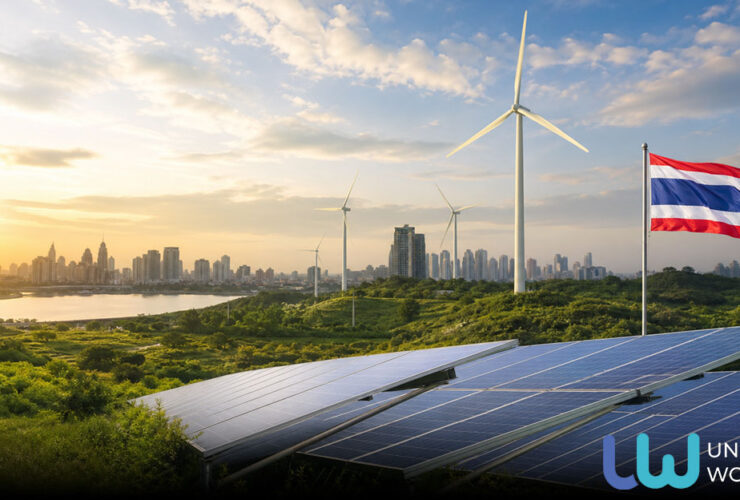
By Mehmet Enes Beşer Thailand is at a point where its energy sector faces numerous challenges and opportunities in terms of energy development. Being Southeast Asia’s most industrialized nation and one of its energy-intensive economies, it is now facing the necessity to overhaul its energy sector into something sustainable and efficient. Indeed, during the last couple of decades, Thailand became ...
By Mehmet Enes Beşer Brunei has something most countries would kill for: stability. A functioning state. High living standards. Public services people can rely on. A political calm that feels almost unreal in a region where turbulence is normal. The social contract has been simple and, for many citizens, very real: hydrocarbons fund generous provision, the state protects cohesion, and ...
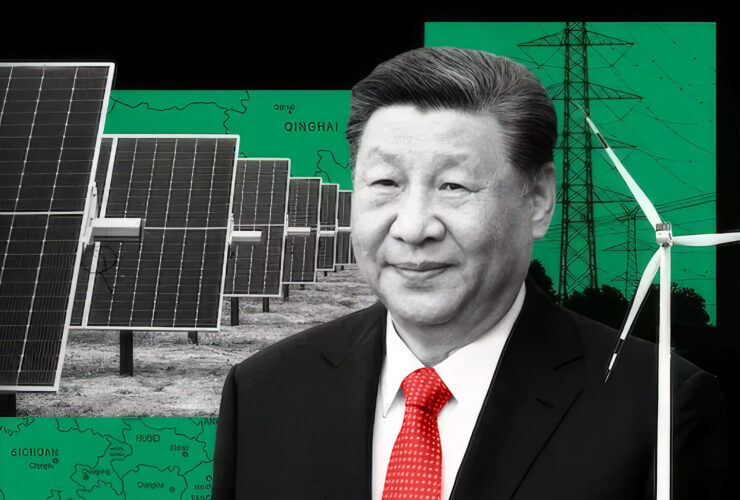
By Mehmet Enes Beşer For years, China’s climate politics could be summed up in a tidy formula: promise long-term ambition, protect short-term stability. “Carbon neutrality by 2060” became the headline. Coal, industrial jobs, and local government revenue stayed in the fine print. That formula is still there—but the balance inside it is shifting. Not because Beijing suddenly “discovered” climate risk ...

By Douglas Bolivar, Caracas / Venezuela The agenda of what was discussed on March 5 between the Chavista leadership and President Biden’s envoy to Caracas is of absolute ignorance of the country’s political spokesmen, which by default gives credibility to the facts. On March 5, the national government of Venezuela commemorated the ninth year of the death of President Hugo ...