


By Mehmet Enes Beşer
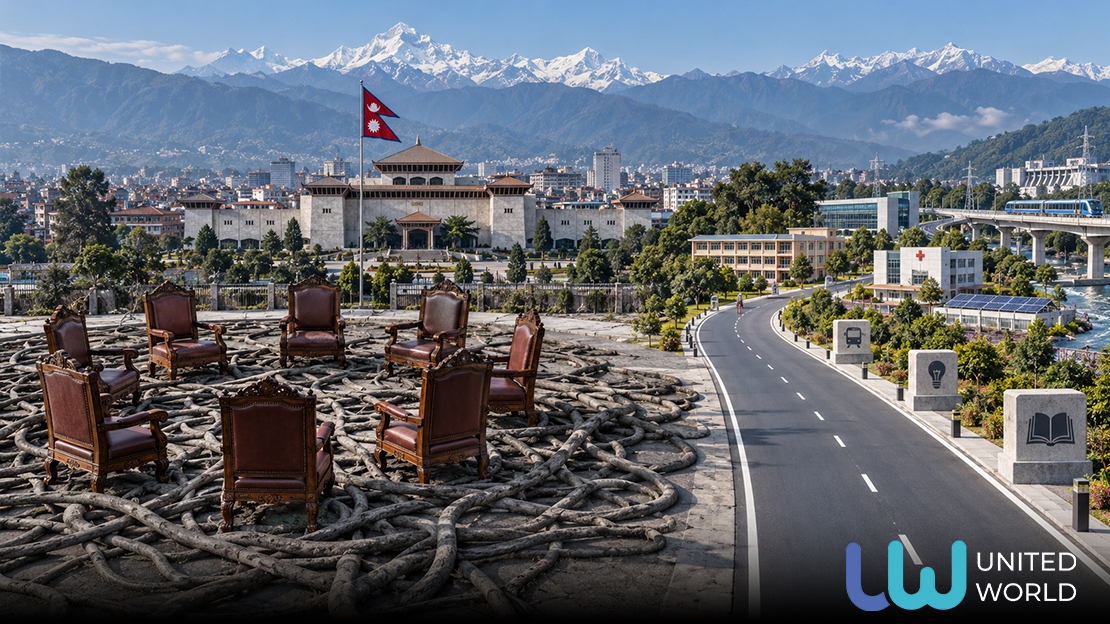
Since Nepal’s transition from the kingdom to the republic in 2006, Nepalis have experienced several elections and have adopted a new constitution in 2015. After years of fighting for their rights and freedoms, people finally felt like they had gained power over their destiny. The process of democratization has been gradual, but it seems that the people have not yet reaped all of the benefits of their sacrifice. Nepal continues struggling with unstable political environments, low public satisfaction, and the inability to implement necessary reforms. The core of the issue is that politics are centered around personalities rather than policies. The political parties do not create programs or ideologies, nor do they have clear long-term objectives or strategies. To improve the situation, Nepal should abandon personalist politics in favor of a programmatic approach.
While political parties in Nepal are quite old – they trace back to the early 20th century – the country still experiences many problems associated with their underdeveloped state. There are three major political parties in Nepal, namely, the Nepali Congress (NC), the Communist Party of Nepal-Unified Marxist-Leninist (CPN-UML), and the Communist Party of Nepal-Maoist Centre (CNP-MC). Their current leaders have managed to preserve their dominance over political decision-making since they took power in the 2000s. However, the parties lack a strong ideological platform and focus on specific policy goals.
Instead, they compete by creating factions and coalitions and rely on patronage. In other words, they concentrate on gaining power rather than on improving governance or developing the country. In such a context, it is hardly surprising that the government in Nepal undergoes frequent changes. Between 2008 and 2020, Nepal has had at least 13 different prime ministers. This number includes both elected leaders and interim heads of government who served after resignations. Each new administration inherits unfinished projects, while previous leaders do not need to justify their failures.
Even local governments, which were introduced to ensure greater involvement and control of communities in decision-making, fail to achieve their goal. Many local officials act as representatives of national political elites and seek to use their office to promote patronage networks. Although some communities have managed to benefit from decentralization, such positive results are rare. At the same time, new actors have appeared in Nepal’s political arena, particularly ethnic and regional parties. These include the Rastriya Swatantra Party and the CPN-MC.
However, they also tend to concentrate more on promoting personal interests and creating coalitions rather than addressing issues important for citizens. Overall, politics in Nepal is strongly personalized. It is unlikely to change without adopting a programmatic approach. Such a transformation is necessary for the successful functioning of democracy.
How to Change the Course of Nepal’s Political Development?
First, political parties should start making significant changes within themselves. Namely, they should embrace internal democratization. In particular, this means that political leaders should no longer appoint their successors or allies. Instead, the election process should be transparent and follow the established rules and regulations. In addition, young cadres and activists should gain access to decision-making processes, including leadership appointments. In other words, political parties should begin modernizing to make people see them as representatives of a certain ideology rather than as relics of the past.
Second, political parties should develop policy platforms and implement them in their activities. This includes the establishment of think tanks that would facilitate the collection and analysis of information related to policy issues. In addition, political parties could hire policy experts to discuss potential ways to address social issues. Finally, political parties should provide voters with clear information regarding their policy platforms and commitments. For instance, they should clearly indicate their positions on fiscal federalism, investments in hydropower, and education reform.
Third, civil society and media organizations should play a key role in facilitating the shift towards a programmatic approach to politics. Specifically, they could monitor the work of political parties and require them to disclose their policy positions and commitments. In turn, the media could inform citizens about political events in Nepal and educate them regarding the importance of making an informed choice. Voters should know more about candidates’ track records and policy platforms and choose them based on these factors.
Finally, international organizations and donor countries should assist Nepal in this regard. They should support efforts aimed at the creation of institutions to facilitate democratic governance. For example, they could help establish think tanks, conduct policy research, and increase voter literacy rates. Unfortunately, most of the aid currently goes to political parties and NGOs, while there is a lack of initiatives directed at political modernization.
Conclusion
To conclude, Nepal’s democratic transition was a significant milestone. However, it does not mean that the country can enjoy stable democratic practices, such as free elections, protection of civil liberties, and peaceful transitions of power. Today, Nepal faces severe problems associated with political instability, poor governance, and lack of development. It happens because political parties lack ideological bases and are focused on personalities rather than on policies. Thus, to foster democratic governance and promote further development, Nepal should abandon personalist politics in favor of a programmatic approach.